

Clinical services · Specialty team

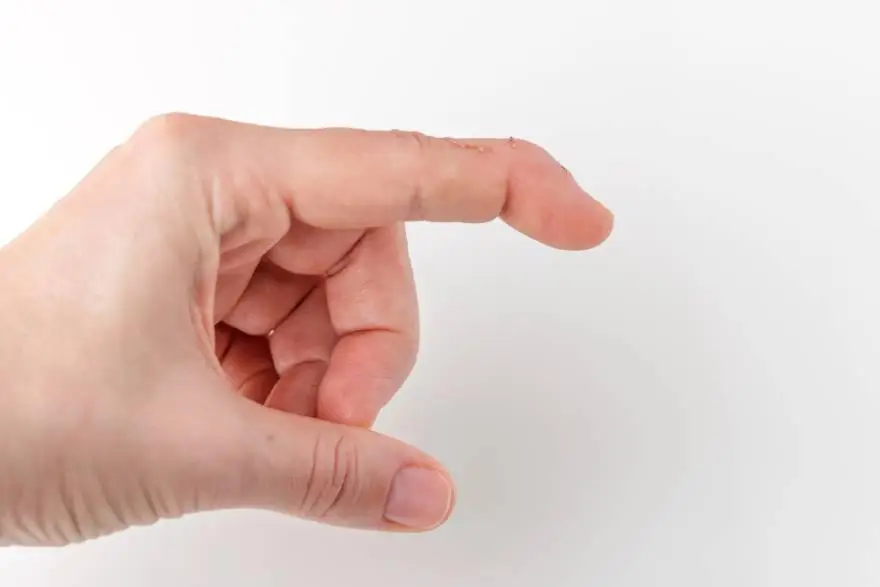
Hand therapy is a specialised area of physiotherapy dealing with injuries and conditions of the hand, wrist, elbow and forearm. Our hand therapists combine manual therapy, custom splinting, scar and oedema management, and graded exercise programs to restore function, strength and range of motion following injury, surgery or the onset of degenerative conditions.
What you'll understand
You'll leave knowing
how your hand works
Hand and wrist rehabilitation depends more on what you do between appointments than almost any other area of physiotherapy. A tendon repair has a healing timeline that has to be respected; a splint only works if it is worn correctly. So teaching is not something we add on at the end — it is most of the treatment.
- What you’ve actually injuredThe specific structure involved, what it does, and what it needs in order to heal.
- Your healing timelineWhat is safe to load and when. Tendon and fracture healing follow known timeframes, and knowing them takes the guesswork out.
- How to use your splintWhen to wear it, when to take it off, how to clean it, and what to do if it rubs or stops fitting.
- How to do your exercises properlyNot just what the exercises are, but what a good repetition feels like and what a bad one does.
- What to watch forThe signs that something needs review sooner, and the ones that are a normal part of healing.
- How to protect it long termLoad management for work, sport and hobbies once you’re discharged.
Our model of care
Settle. Build. Sustain.
The same three stages we use across the practice, applied to this service — all of them inside Equip.

Stage 1
Settle
Protecting the injured structure, managing swelling and pain, and fitting a custom splint where one is needed. We establish the healing timeline and what has to be respected within it.

Stage 2
Build
Graded range of motion, then strength and grip, progressed against the healing timeline. Scar and oedema management continue alongside. Splint wear reduces as capacity increases.

Stage 3
Sustain
Return to work, sport and the tasks that matter to you, with load management you can apply yourself. We review less often until you no longer need us.

Equip — what all three are for
Every appointment includes teaching. By the time you’re discharged you should be able to explain your own injury, your splint and your programme to someone else.
Conditions we treat
What we treat
Nerve conditions
- Carpal tunnel syndrome
- Cubital tunnel syndrome
- Peripheral nerve injuries, repairs and grafts
- Radial and ulnar nerve palsy
Arthritic and joint conditions
- Carpometacarpal joint osteoarthritis (CMCJ OA / thumb base arthritis)
- MCP, PIP and DIP joint osteoarthritis
- Rheumatoid arthritis of the hand and wrist
Tendon and overuse injuries
- De Quervain’s tenosynovitis
- Trigger finger
- Flexor and extensor tendon injuries, repairs and rehabilitation
- Tendon transfers
- Lateral and medial epicondylalgia (tennis / golfer’s elbow)
Fractures
- Distal radius fractures
- Scaphoid fractures
- Metacarpal fractures
- Phalangeal (finger) fractures
Ligament and soft tissue injuries
- Triangular fibrocartilage complex (TFCC) injuries
- Ulnar collateral ligament injuries (skier’s / gamekeeper’s thumb)
- Scapholunate ligament injuries
- Crush injuries, lacerations and burns
Return to sport
- Post-ACL reconstruction return-to-sport programs
- Post-fracture and post-surgical return-to-sport rehabilitation
- Recurrent and chronic ankle instability
- Osgood-Schlatter disease and Sever’s disease in adolescent athletes
The team
Clinicians in hand therapy

Steven Huang
Professor · Director, The Clinical Research Institute
B.App.Sc. (Physiotherapy), MPhil · APA Titled Research Physiotherapist
Orthopaedics and osteoarthritis, men’s health and urology, cardiothoracic and respiratory medicine, high-performance sport, microplastics and human health.
BlacktownNorwestPenrithWestmeadResearch
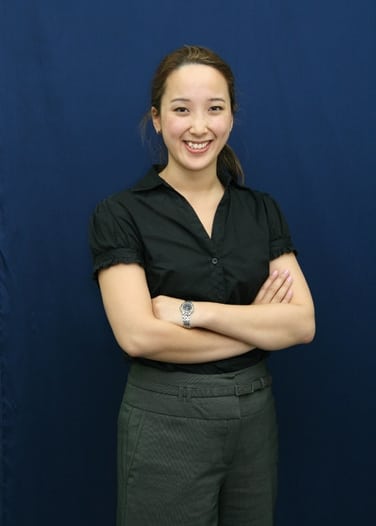
Julie Nguyen
Physiotherapist
B.Physiotherapy, Certified Mulligan Practitioner (CMP), Aquatic Therapy
Mulligan concept manual therapy and aquatic therapy.
Blacktown
Where to find us
Available at these clinics



Book with our hand therapy team
Book online, or call and ask for this team.