

Clinical services
Orthopaedic Physiotherapy
Orthopaedic physiotherapy addresses the assessment, treatment and rehabilitation of conditions affecting the bones, joints, ligaments, tendons and muscles of the musculoskeletal system. Our physiotherapists work closely with orthopaedic surgeons, GPs and specialists to manage patients through every stage of care — from conservative, non-surgical management aimed at avoiding or delaying surgery, through to structured pre-habilitation and post-operative rehabilitation. Treatment is guided by current evidence and tailored to each patient’s goals, whether that’s returning to work, sport, or simply moving through daily life without pain or restriction.
What you'll understand
You'll leave understanding the
repair, not just the exercises
Orthopaedic rehabilitation is governed by what was done in theatre and how long that tissue takes to heal. Most of the frustration we see comes from patients not knowing which restrictions are protecting something and which are simply caution.
- What the surgeon actually didWhich structures were repaired, replaced or removed, and what that changes.
- The healing timelineWhat the tissue can tolerate at six weeks, twelve weeks and six months.
- Which restrictions are protectiveSo you know what is safe to push and what is not.
- How to load progressivelyReading soreness correctly, and when a response is normal rather than a setback.
- What good looks like at each stageConcrete range and strength milestones instead of vague reassurance.
- When to call us or the surgeonThe specific signs that warrant a review rather than watchful waiting.
Our model of care
Settle. Build. Sustain.
The same three stages we use across the practice, applied to this service — all of them inside Equip.

Stage 1
Settle
Protecting the repair, managing swelling and pain, and restoring the range the surgeon has cleared. We establish the healing timeline and what has to be respected within it.

Stage 2
Build
Progressive strength and load through the operated joint and everything around it, measured against criteria rather than the calendar.

Stage 3
Sustain
Return to work, sport and the tasks that matter to you, with a maintenance programme you can run yourself.

Equip — what all three are for
Orthopaedic patients are often given a protocol sheet and little explanation. We would rather you understood the reasoning, because that is what lets you make sensible decisions on the days you are not with us.
Conditions we treat
What we treat
Joint replacement and post-surgical rehabilitation
- Total knee replacement (TKR)
- Total hip replacement (THR)
- Unicompartmental (partial) knee replacement
- Total shoulder replacement and reverse total shoulder replacement
- Post spinal fusion rehabilitation
Ligament and soft tissue reconstruction
- ACL reconstruction
- PCL, MCL and LCL injuries and repairs
- Rotator cuff repairs
- Labral repairs (shoulder and hip)
- Meniscal repairs and meniscectomy
- Achilles tendon repair
Degenerative and inflammatory arthritic conditions
- Osteoarthritis of the knee, hip, shoulder and ankle
- Rheumatoid arthritis
- Facet joint syndrome and spinal osteoarthritis
- Degenerative disc disease
Tendon and soft tissue conditions
- Rotator cuff tendinopathy and subacromial impingement
- Patellar and gluteal tendinopathy
- Tennis elbow (lateral epicondylalgia) and golfer’s elbow (medial epicondylalgia)
- Bursitis of the hip, shoulder and knee
- Frozen shoulder (adhesive capsulitis)
- Plantar fasciitis
- Femoroacetabular impingement (FAI)
Fractures and trauma
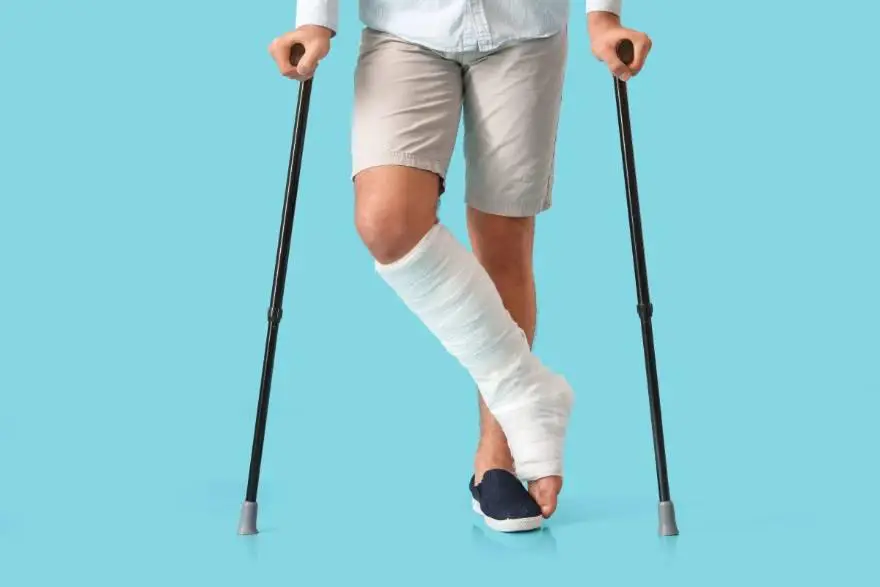
- Post-fracture rehabilitation — wrist, ankle, hip, tibia and fibula, clavicle and humerus
- Joint instability following trauma
The team
Seen by every physiotherapist on our team
This is core physiotherapy caseload rather than a sub-specialty, so every physiotherapist across the four clinics sees it. Book at whichever clinic is closest to you.
23 physiotherapists
Across Blacktown, Norwest, Penrith and Westmead. Whoever you see for this will have it as core caseload.
Where to find us
Available at these clinics




Book with our sports & exercise team
Book online, or call and ask for this team.