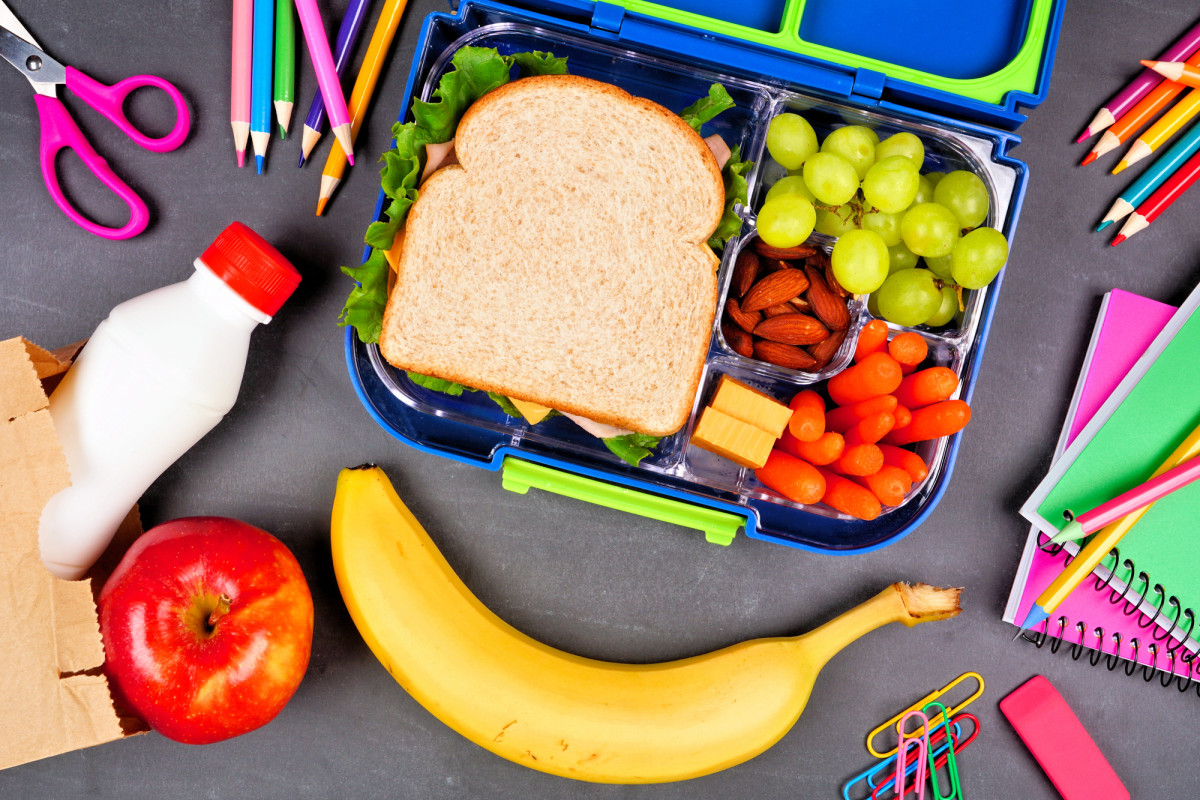
Back to School – Fibre Rich foods for the School Lunch Box. Fibre is a type of carbohydrate found in plant-based foods that cannot be fully digested by the body. It passes through the digestive system largely intact, acting as fuel for beneficial bacteria in the gut.
Fibre helps to promote regular bowel movements, prevents constipation, supports overall digestive health and can also sustain our energy levels.
Many children do not consume enough fibre in their diets, which can lead to issues such as constipation and poor gut health. A low fibre intake may also increase risks of other health conditions such as being above a healthy weight and heart disease later in life.
It is important to include fibre rich foods in a child’s diet from an early age. Children also need to drink plenty of water throughout the day to keep bowels healthy and regular.
How much fibre does my child need?
Boys and Girls generally need 14-28 g of fibre/day and anywhere between 1.0 – 1.6L of fluid/day.
|
Age |
Fibre |
Fluid |
| Boys and Girls |
1-3 years |
14g/day |
1000mL/day |
| Boys and Girls |
4-8 years |
18g/day |
1200mL/day |
| Boys |
9-13 years |
24g/day |
1600mL/day |
| Boys |
14-18 years |
28g/day |
1900mL/day |
| Girls |
9-13 years |
20g/day |
1400mL/day |
| Girls |
14-18 years |
22g/day |
1600mL/day |
Source: Eat for Health (
https://www.eatforhealth.gov.au/nutrient-reference-values/nutrients/dietary-fibre)
Sources of Fibre
Parents can help ensure their children get enough fibre by offering a variety of fibre-rich foods as part of their daily meals and snacks. Good sources of fibre include fruits, vegetables, whole grains, legumes, nuts, and seeds. Incorporating these foods into meals and snacks can provide children with the fibre they need to support a healthy gut microbiome.
Practical tips for increasing fibre intake
Include a variety of fruits and vegetables in meals and snacks. Offer fresh, frozen, or canned options, and encourage children to try new varieties.
- Choose whole grain bread, pasta, and cereal options over refined grains to boost fibre intake.
- Incorporate legumes such as beans, lentils, and chickpeas into soups, stews, salads, and casseroles.
- Snack on nuts, seeds, and popcorn for a fibre-rich crunch.
- Offer fibre-rich desserts like fruit salad, fruit smoothies, or yogurt parfaits with granola.
Fibre Rich Meals & Snacks
|
Option 1 |
Option 2 |
Option 3 |
| Breakfast |
Weetbix or Sultana Bran with Milk |
Baked Beans and Eggs on Toast |
Overnight Oats with Vanilla Essence, Mixed Seeds (Pumpkin Seeds) and Fruit
|
| Morning Tea |
Carrot and Celery Sticks with Hummus |
Sugar Snap Peas or Green Beans with Light Cream Cheese Wedge |
Popcorn
|
| Lunch |
Chicken and Vegetable Wrap |
Multigrain Crackers with Cheese, Tomato and Tuna |
Egg, Lettuce, Cucumber and Cheese Multigrain Sandwich
|
| Afternoon Tea |
Banana /Berry Smoothie |
Cheesy Broccoli |
Air Fried Cauliflower
|
| Dinner |
Stuffed Zucchini Boats with Bolognese Mince, Black Beans and Cheese
|
Crispy Chickpeas in Leafy Chicken Salad |
Pasta Bake with added Cannellini Beans |
For more information on Nutrition, talk to one of our specialists today.
References:
Department of Health & Human Services. (n.d.). Gut health (online). Retrieved from
https://www.betterhealth.vic.gov.au/health/healthyliving/gut-health. Last accessed 05/02/24.
Belobrajdic, D., Brownlee, I., Hendrie, G., Rebuli, M., Bird, T. (2018). Gut health and weight loss: An overview of the scientific evidence of the benefits of dietary fibre during weight loss (online). CSIRO, Australia. Last accessed 05/02/24.