Since 1993 Moving through life


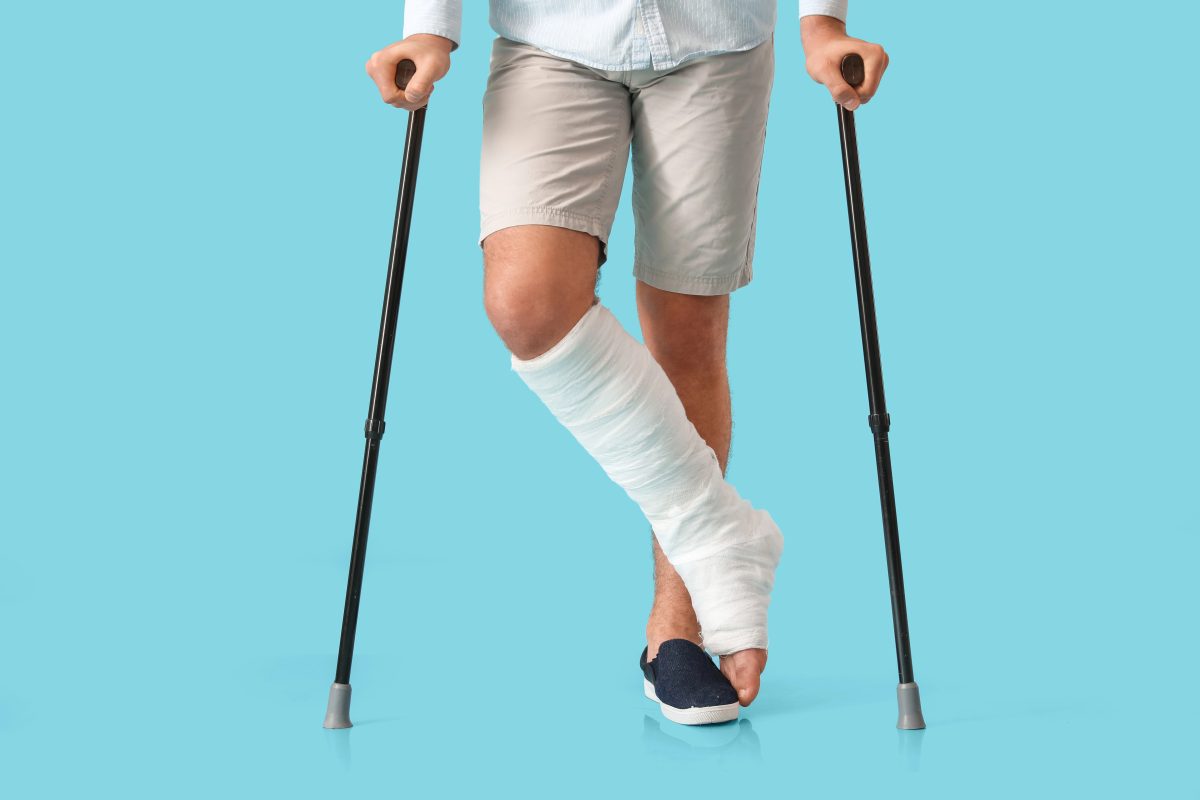
Bone healing is a fascinating process that our bodies naturally undergo after a fracture. Understanding this process can help you appreciate the remarkable way your body works to repair itself. Let's break down the stages of bone healing, including primary and secondary bone healing, in simple terms.
Primary Bone Healing
Primary bone healing occurs when the broken bone ends are closely aligned and stable, usually achieved with surgical intervention like plates or screws. This type of healing is similar to how bones grow during development. Here's what happens:- Osteoclast Activation (Week 1-2): Osteoclasts, specialized bone cells, remove damaged bone tissue at the fracture site.
- Osteoblast Activity (Week 2-4): Osteoblasts, another type of bone cell, produce new bone tissue to bridge the fracture gap.
- Bone Remodelling (Months to Years): Over time, the new bone tissue is remodelled to regain its original shape and strength. This stage can take several months to years.
Secondary Bone Healing
Secondary bone healing is more common and occurs when the bone ends are not perfectly aligned or when the fracture is stabilized with a cast or brace rather than surgery. This process involves several stages:- Haematoma (Days 1-7): Right after the fracture, the body sends blood to the injury site, forming a blood clot called a hematoma. This clot provides the initial framework for healing and attracts cells that begin the repair process.
- Soft Callus Formation (Weeks 1-3): The hematoma gradually turns into a soft callus made of collagen and cartilage. This soft callus stabilizes the fracture but is not yet as strong as bone.
- Hard Callus Formation (Weeks 4-6): The soft callus is replaced by a hard callus of woven bone, which is stronger but still not as durable as the original bone.
- Bone Remodelling (Months to Years): Similar to primary healing, the hard callus is remodelled over time. The new bone tissue is gradually reshaped and strengthened to resemble the bone's original structure.