Since 1993 Moving through life


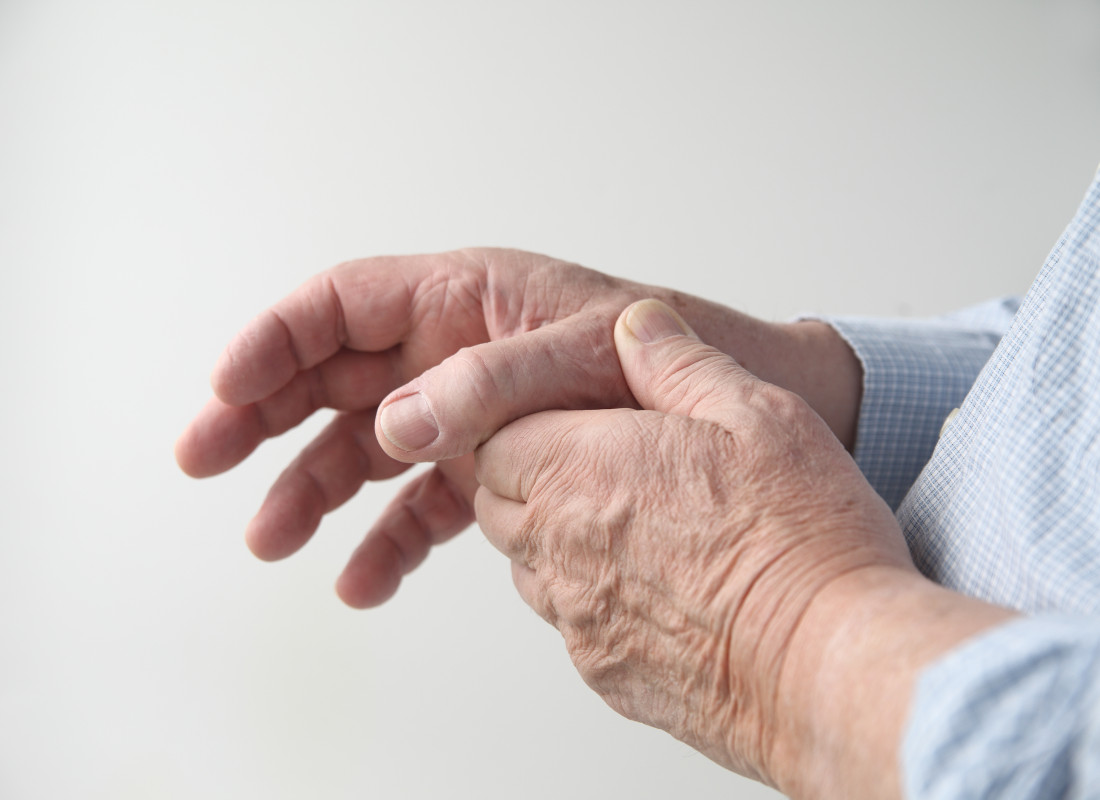
Pain at the base of the thumb is an unpleasant reality for many older Australians. For most, this is due to wear and tear on the cartilage surfaces at the basal thumb joint. This wear and tear results in a thinning of the cartilage and a loss of the protective cushioning that allows our joints to move smoothly. The resulting bony changes seen on x-ray are commonly referred to as osteoarthritis (OA). Studies of large populations demonstrate that OA changes on x-ray in the base of the thumb are the very common in the over 45’s. By the time we are 60 it is possible that 30-40% of the population have some evidence of OA changes in the base of their thumb.
- The GOOD news is that there is only a modest link between having thumb OA on X-ray and having pain. So many of us in the community have some wear and tear in the thumb and thankfully may never have pain.
- IMPORTANTLY there are a number of different causes of thumb pain. Given the link between thumb OA on x-ray and pain is only modest it is always important to have your pain accurately diagnosed.
- The BAD news is that if you have thumb pain it is very disabling.
- The GOOD news is that you do not just have to put up with it.
- Obesity – There is evidence that fat tissue produces chemicals that contribute to the inflammation associated with painful osteoarthritis. This is true even for joints that don't bear our body weight.
- Usage patterns – did you know that users of chopsticks are less likely to have basal thumb OA! Unfortunately they have more OA in the other small joints of the thumb and fingers. So don't make the switch just yet. However, this information has provided some clues about what exercises might provide some protective strengthening of the thumb. Looking at what happens to the joint when we turn on certain muscles has also helped to build our bank of helpful exercises.
- Biomechanics – Poor joint alignment, stretched ligaments, reduced joint position awareness (also known as proprioception) can all contribute to thumb disability. Clinical research has demonstrated that a variety of customised soft and hard splints, usually in conjunction with targeted exercises, can provide pain relief.
- Providing some manual therapy to improve flexibility of joints, muscles or nerves.
- Determining if some splinting and targeted exercises and stretches will alleviate with your thumb pain.
- Providing you with the tools you need to develop a plan of self-management based on the principles of joint protection.