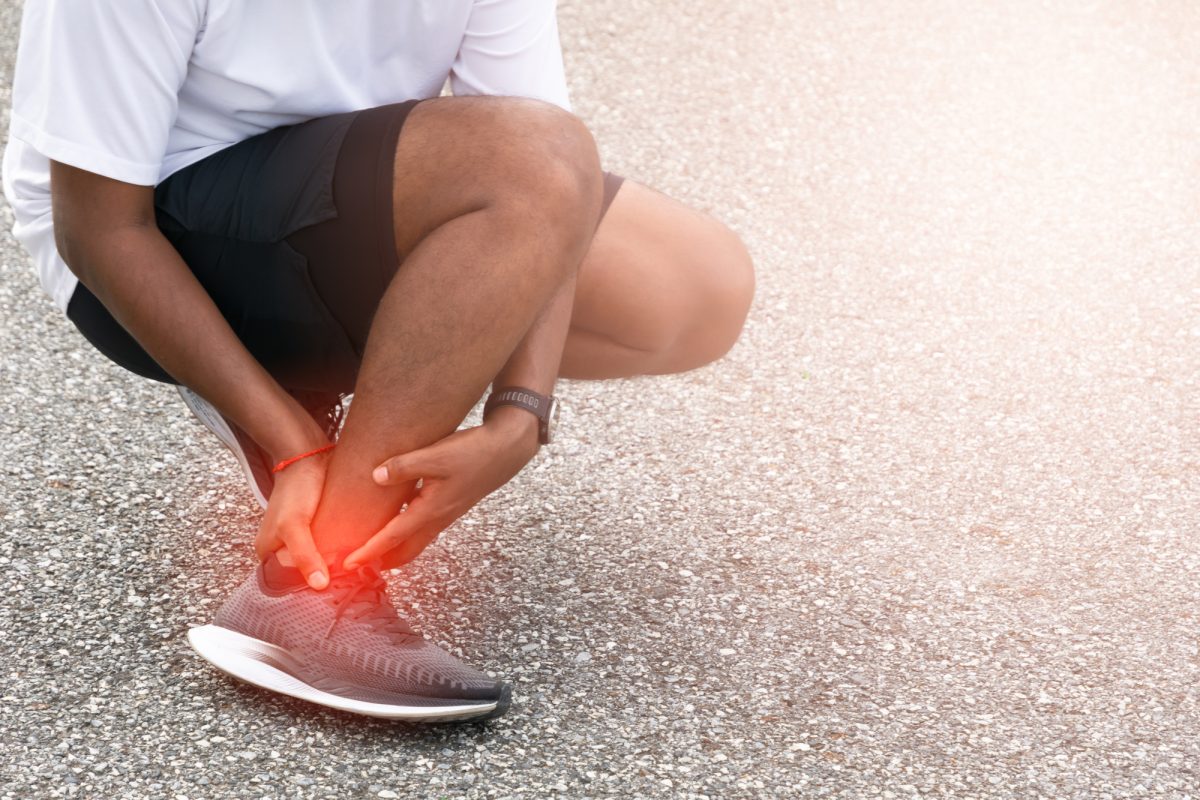
Sprained ankles are one of the most common injuries that occur in sport and everyday life. Sprains involve ligaments which are a type of connective tissue in the body that attach one bony part to another. A sprain occur when a ligament is stretched beyond its normal capacity. This results in some degree of damage to the ligament that can cause pain, swelling, bruising and often a decreased ability to walk and participate in activities we enjoy.
The most common ligaments in the ankle to be injured (occurring 95% of the time) are those present on the outside of the ankle. There are three ligaments that attach to the large bone on the outside of the ankle and fan outwards. These ligaments are injured when our foot “rolls in”, causing these ligaments to stretch which may cause tearing either microscopically, partially or fully.
So how do we go about managing this injury until we see a doctor or a physio? We all have been taught to use the PRICER principles which include protect, rest, ice, compression, elevation and referral to a medical specialist. However new research has come out which suggests a new way of managing these types of injuries with the acronym PEACE & LOVE.
When we immediately hurt ourselves we should follow the new guidelines of PEACE.
P = Protection: In the first 1-3 days we should avoid movements that increase pain and offload the injured ankle where possible to prevent the risk of further damage. This may include using crutches to help us get around. Although it’s important to note we should avoid prolonged rest as this delays healing.
E= Elevation: It is important to elevate the injured ankle above the level of the heart where possible. This prevents excessive swelling build up around the injured site.
A = Avoid Anti-inflammatories for 72 hours: Inflammation is an integral phase of the body’s natural healing process. Inflammation allows for nutrient rich blood to reach the injured body part to removed damaged tissue and repair. If we use anti-inflammatory medications like Ibuprofen we will disrupt this natural process and negatively impact healing. Although ice is important for pain and swelling management, we shouldn’t overuse it. We should limit the use of ice as this can also impacts the inflammatory process and may limit healing.
C = Compression: Appling external compression through the use of crape bandaging or tubigrip may help limit excessive swelling building up around the ankle.
E = Education: It is essential that health professionals including physiotherapists and GPs educate the injured individual on the benefits of active approaches to recovery and the negatives of passive approaches such as acupuncture and electrotherapy modalities. You as the patient should be empowered with the knowledge of the injury to be able to manage this condition and be able to seek out advice from qualified and reputable health practitioners.
After a few days our ankle sprain, when should follow the LOVE guidelines to rehab our ankle.
L = Load: We need to take an active approach with our injury rehab which includes exercise or “load.” Loading our ankle within tolerable ranges will actually promote healing and remodelling of the ligaments and insure our ankle is able to be as strong as possible. The right exercise program can reduced the risk of re-injury.
O = Optimism: After an injury we need to be optimistic about our situation. Negative attitudes and beliefs including fear and catastrophizing are actually associated with worse outcomes.
V = Vascularisation: Pain free aerobic exercise that you enjoy is important in the rehab process. Cardiovasulauar exercise increases nutrient rich blood flow to the injured ankle promoting healing and improves function.
E = Exercise: Finally after we injure our ankle we must exercise. Exercise is extremely important and the cornerstone of rehab from injury to improve mobility, strength and balance of the joint. Your physiotherapist will play a critical role providing these exercises that are tailored to you.
We hope this helps the next time your sprain your ankle. If you found this interesting and would like more information follow the link below or
contact us.
Happy healing!
Soft-tissue injuries simply need PEACE and LOVE: https://bjsm.bmj.com/content/54/2/72