Since 1993 Moving through life


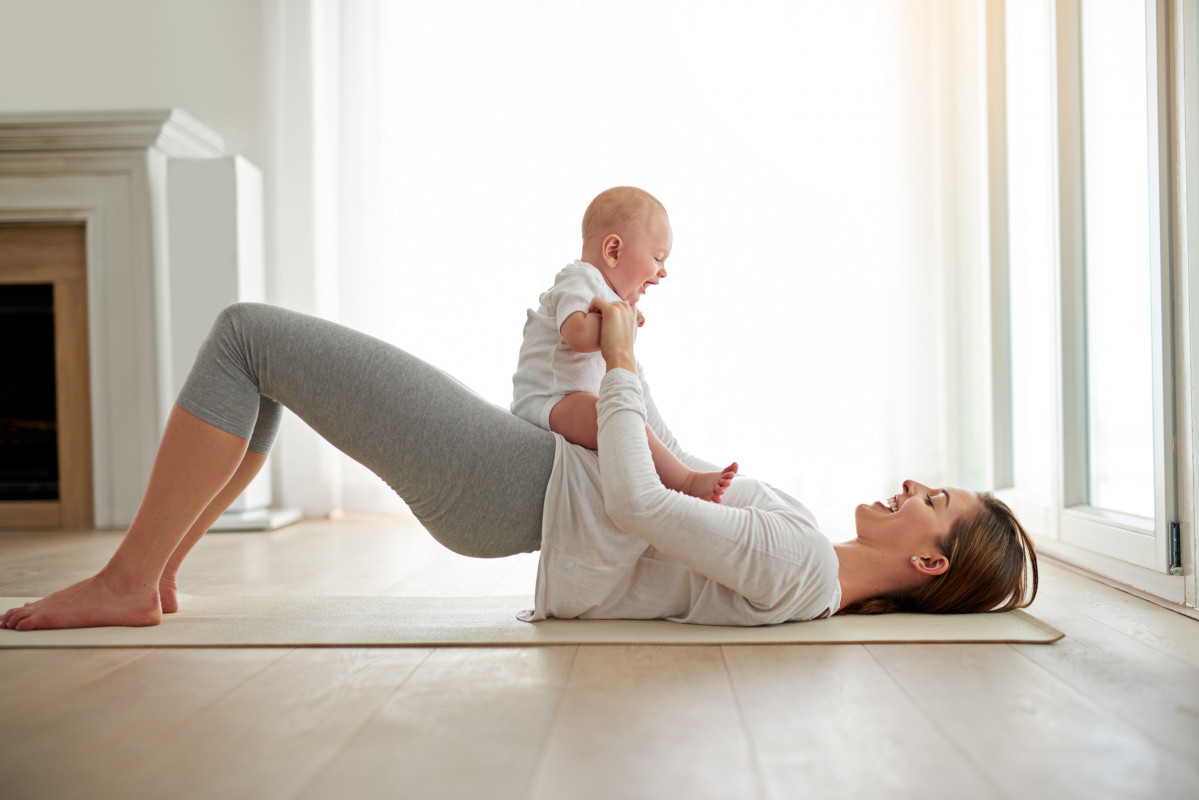
During your pregnancy, many changes have occurred in your body to enable you to maintain the pregnancy and deliver your baby. These changes include stretching of your abdominal muscles, stretching and potential weakening of your pelvic floor muscles and hormonal changes to soften your pelvis and its ligaments. After the delivery of your baby whether that be vaginally or by cesarean section, the abdominal and pelvic floor muscle tone are reduced (especially in vaginal deliveries) and the hormonal changes can continue to impact the soft tissue structures after birth. These factors can commonly combine to cause low back pain, pelvic pain, leakage of urine (incontinence) and pelvic/ vaginal heaviness or bulge (pelvic organ prolapse).
Why exercise after having a baby?
Exercise has a wide range of health benefits for women following childbirth. These include:
- Strengthening and toning
- Abdominal muscles
- Increasing energy levels
- Promoting better sleep
- Stress relief
- Can be helpful in preventing postpartum depression
- Squeeze and lift (draw in) the muscles around the vagina as if trying to stop the passing of urine and around your back passage as if trying to stop the passing of wind. It is important to fully relax these muscles at the end of each contraction.
- Ensure that you continue to breathe normally and do not hold your breath. Relax your buttock and thigh muscles.
- It is easier to begin pelvic floor exercises in lying or sitting positions and to progress to standing positions.
- If you have difficulty contracting these muscles or are unsure if you have the correct technique, your women’s health physiotherapist can assess and tailor a specific program for you
- Gradual return to low to moderate intensity cardiovascular exercise such as walking, stationary upright or recumbent cycling or cross trainer. This could begin with 10 mins per day and gradually increase to 30-60 mins per day if comfortable
- Postnatal abdominal muscle activation (core stability) exercises
- Pelvic floor muscle exercises
- It is recommended that you wait for your 6 week postnatal check with your doctor before you commence a group exercise program or returning gym based exercise
- Moderate intensity cardiovascular exercise such as walking, swimming (once bleeding has ceased), cycling, cross trainer for 30-60mins per day.
- Progression of core stability and pelvic floor muscle exercises by seeking advice from your local women’s health physiotherapist or trained professional
- Postnatal exercise classes such as Pilates or Yoga
- Light resistance exercises using no larger than 2kg weights or light Theraband for resistance work
- Consider visiting a women’s health physiotherapist for a postnatal assessment of your abdominal and pelvic floor muscles prior to returning to high-impact exercises or sport
- Recommence higher intensity cardiovascular exercise such as running, jumping and graded heavy resistance exercises with weights or Theraband. It is important to monitor symptoms such as back or pelvic pain, incontinence and/or pelvic organ prolapse symptoms during or after exercise
- Wear comfortable clothing and a well fitted and supportive bra.
- Have a bottle of water and take frequent sips to keep hydrated.
- If breastfeeding, feed your baby or express your milk before your workout to avoid any discomfort from engorged breasts.
- Include a warm up and cool down into your exercise routine to help get your muscles ready to exercise and prevent muscle soreness.
- Remember, listen to your body and be aware of any warning signs of discomfort or pain.
- Pelvic floor first (www.pelvicfloorfirst.org.au)
- American college of Obstetricians and Gynecologists (ACOG) 2015